NEW in Journal 3.2!
The enhanced Off Canvas menu now supports the Builder module, so you can build custom Off Canvas menus with any supported layout modules in it. 🙌
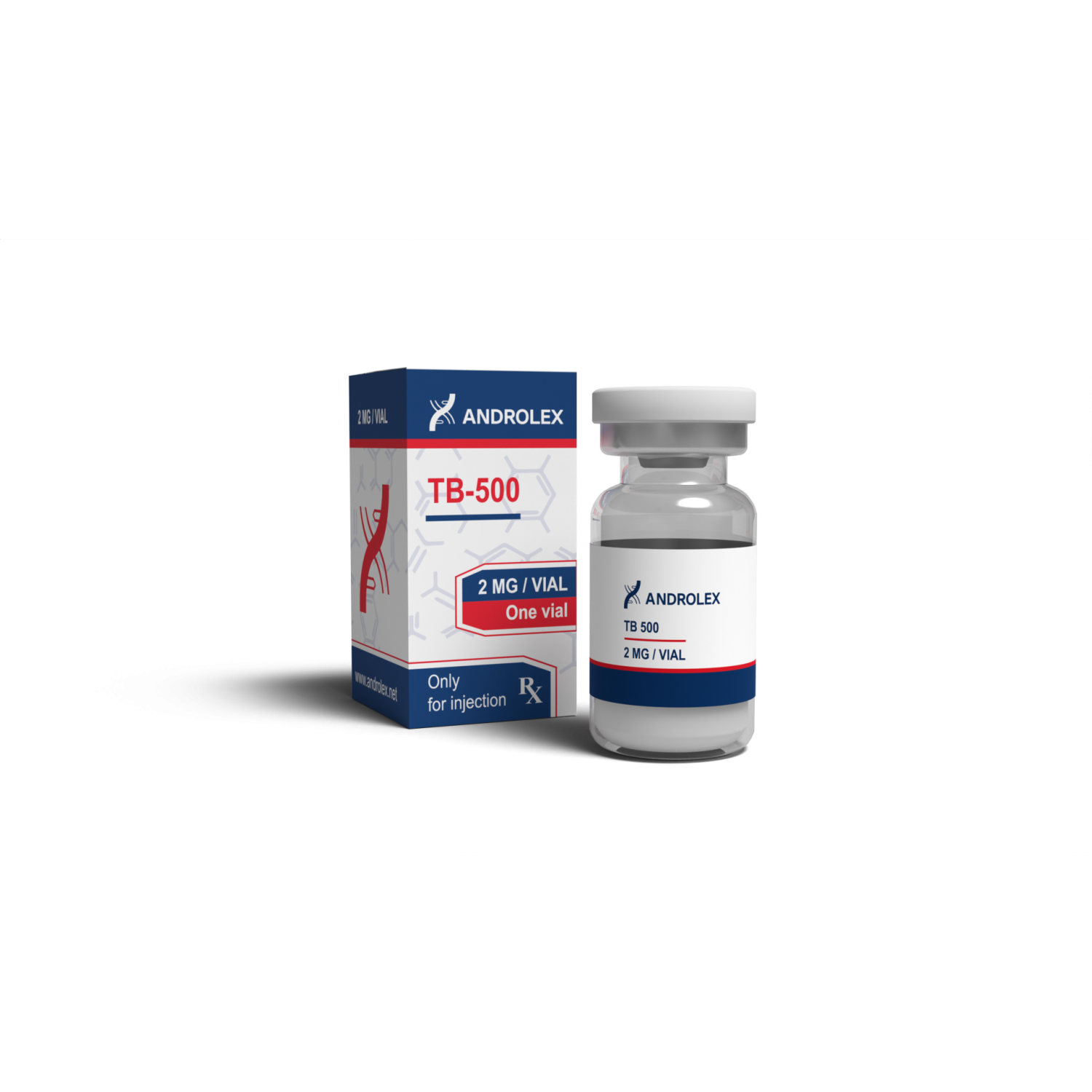
TB-500 is a synthetic peptide fragment derived from the naturally occurring protein Thymosin Beta-4 (Tβ4) — one of the most abundant thymic peptides found in mammalian tissues. It represents the active region of Thymosin Beta-4 and reproduces its biological and regenerative properties, being more stable and easier to produce.
Thymosins are present in multiple tissues and play a role in cell protection, wound healing, and regeneration. TB-500 regulates actin dynamics, a key process for cell migration, angiogenesis, and tissue remodeling. Due to these properties, it is widely used to accelerate recovery after injuries, reduce inflammation, and improve flexibility of connective tissues.
Main effects of TB-500
💪 Accelerates recovery of muscles, tendons, ligaments, and joints
🧬 Promotes cell migration and stem cell activation
🔥 Reduces inflammation and prevents fibrosis
🩸 Stimulates angiogenesis and improves tissue oxygenation
💓 Supports heart tissue regeneration and vascular growth
🧠 Contributes to neural protection and recovery
💇♂️ Stimulates hair follicle activity and hair growth
👁️ Promotes corneal healing and alleviates dry eye symptoms
Storage: Reconstituted solution kept refrigerated at 2–8 °C
Dosage
Loading phase:
2–6 mg per week, divided into 2 injections
Duration: about 4 weeks
Maintenance phase:
2–4 mg per week, divided into 2 injections
Duration: 1–2 months
Alternative pattern:
Week 1: 10 mg total (1–2 mg daily)
Weeks 2–6: 5 mg per week, divided doses
Maintenance: 10 mg monthly (2 mg every 6 days)
Possible side effects
Mild redness or discomfort at the injection site
Temporary fatigue or headache
Local swelling or warmth
Very rarely, allergic skin reaction
Contraindications
Active malignancies (angiogenic stimulation)
Pregnancy or breastfeeding
Autoimmune disorders
Hypersensitivity to peptide compounds
How to store
Powder form: Below 25 °C, away from light and humidity
Reconstituted solution: Refrigerate at 2–8 °C, do not freeze
Use within 30 days after mixing
How does TB-500 work
TB-500 functions by binding to G-actin, a protein essential for the formation of the cellular cytoskeleton. Through this interaction, it regulates actin polymerization and cell migration, both critical steps in tissue regeneration and repair.
1. Regenerative activity
The peptide enhances mobilization of stem and progenitor cells to damaged areas, promoting angiogenesis and formation of new tissue structures. It accelerates healing and reduces scar formation by limiting excessive fibroblast activity.
2. Anti-inflammatory effects
TB-500 moderates cytokine response and inflammatory cascades, lowering oxidative stress and protecting cells from apoptosis in injured tissues.
3. Cardiovascular and neurological action
In cardiac tissues, it supports myocyte survival and angiogenic repair after ischemic events. In the nervous system, it promotes axon regeneration, synaptic stability, and recovery of motor functions.
4. Additional systemic roles
Enhances tissue elasticity and connective fiber integrity
Reduces the risk of adhesion formation after trauma
Stimulates hair follicle regeneration and corneal healing